
AI music has its fans. Millions of them. Most of them don’t know it’s fake. There also are a lot of people who don’t want to hear it.
Sweden’s biggest hit of 2026, so far, is a song called “I Know You’re Not Mine” that amassed five million streaming downloads in a matter of weeks. The song is a folk-pop mix that tells a melancholic tale of lost love. But it turns out the artist known as Jacub is a digital creation. Sweden’s governing body ultimately banned the song from its official listings.
Likewise, three jazz-infused soul songs by an artist called Sienna Rose appear on Spotify’s Viral Top 50. Rose’s most popular song, “Into The Blue,” has been downloaded five million times. Rose isn’t real, however. She is another digital creation. Fans were surprised. And it took the streaming platform Deezer a long time to make sure Sienna Rose was an AI. Deezer finally announced Sienna Rose as an AI fake on January 23rd, 2026 as Spotify downloads climbed to 3.6 million monthly.
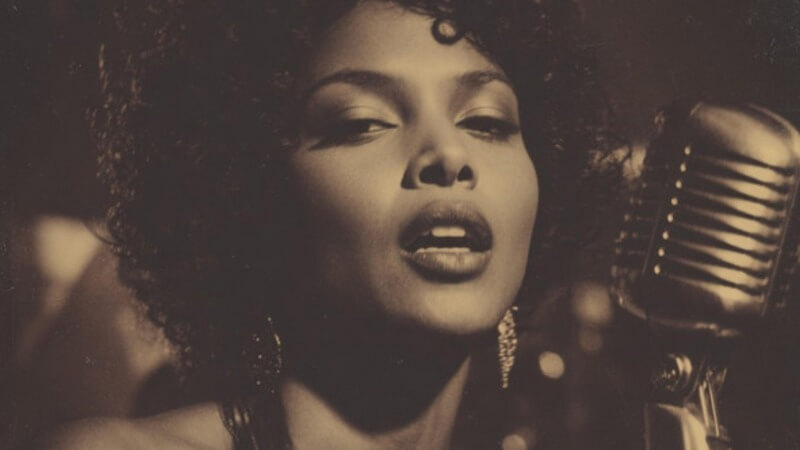
Sienna Rose
But the distinction between what’s real and what’s not that has people really talking is the release of new music from the icon Liza Minelli that combines her voice with AI effects. The reaction is largely negative. “Don’t get on that train,” said one young music lover when she heard the news. Reviews have not been great for “Kids Wait Till You Hear This” which leans more into a thumping dance club beat that is a far cry from Minelli’s signature “Cabaret.” “Kids” is the first new music from the 79-year-old Minelli in 13 years.
“Kids” is one track on the Eleven Album created by ElevenLabs to promote the company’s new AI music generator. ElevenLabs is principally known for partnering with celebrities to use their cloned voices in commercial or editorial work. The other big recognizable name on the 13-track Eleven Album is Art Garfunkel.
ElevenLabs describes its AI music project as a collaboration. “Each contributor produced a fully original track that blends their signature sound with the capabilities of Eleven Music, showcasing new creative possibilities without compromising human artistry,” said the company. If nothing else, the Eleven Album is probably a dirge for the passing of the studio musician.
In fairness, AI music is often hard to discern for the average music listener. But there are AI artifacts or errors introduced by the software as it shapes white noise into something that sounds musical. Sometimes these artifacts can be heard as an underlying hiss but increasingly, a mathematical interrogation that spots the software used is required to identify AI music. Most fans of Sienna Rose, including actual musicians, were clueless although Rose’s prodigious output of 45 songs uploaded to streaming services over just a few months were among the factors that raised flags. In 2025, the fake band Velvet Sundown famously racked up millions of listeners and released two albums before its AI origins became apparent.
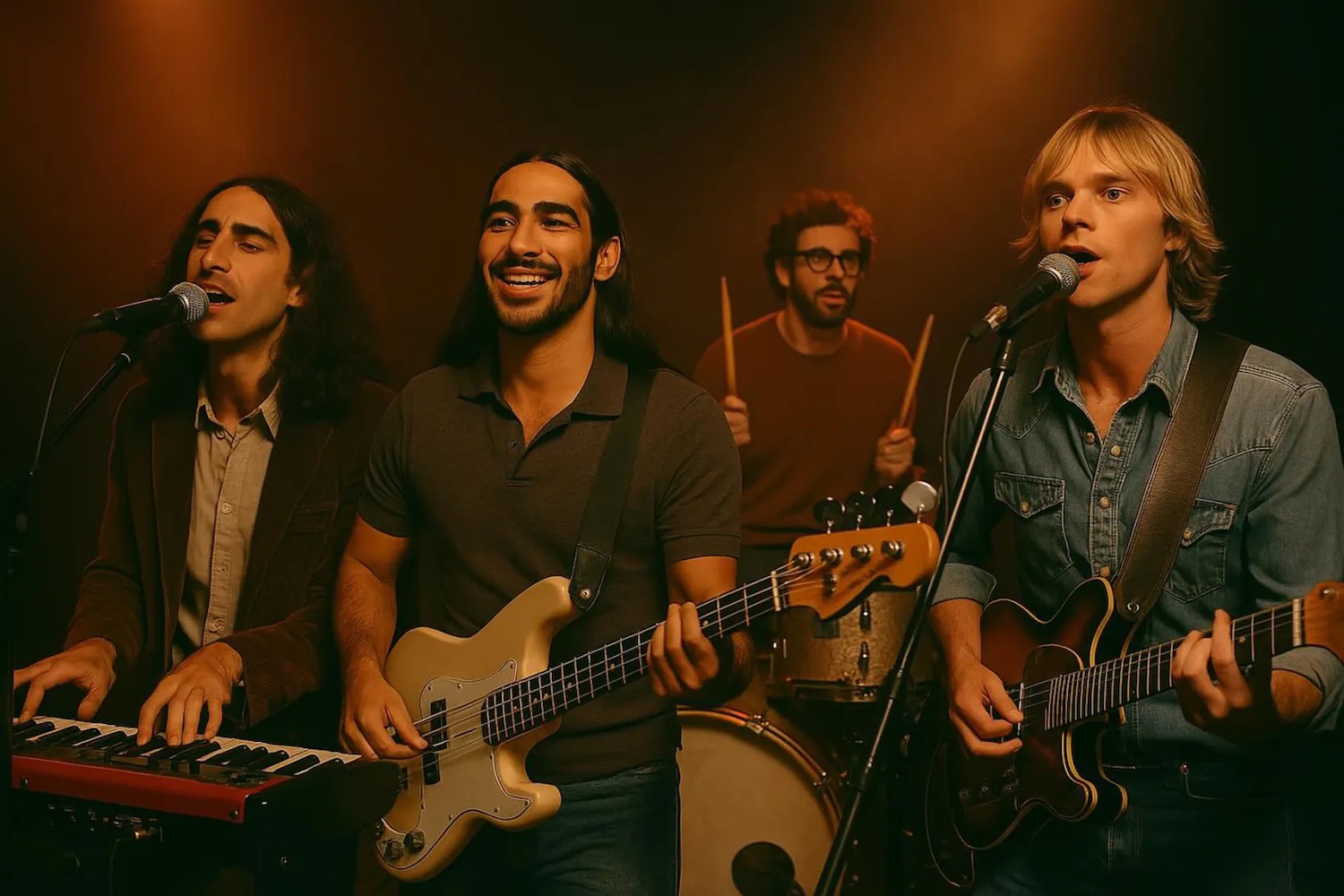
Velvet Sundown
Music lovers also are being overwhelmed by AI music. Deezer says it receives over 50,000 fully AI-generated tracks per day, roughly one-third of all new material. Deezer labels AI music in the interests of transparency and keeps AI tracks out of its algorithmic soup.
For the digital creators of AI music, the millions of downloads are proof of the pudding. Sweden’s Jacub AI creation was unmasked by local journalists who traced the creators to a group of executives at Stellar Music in Denmark. “Team Jacub” claimed its AI creation was simply an “assisting instrument” under human control and that the large number of downloads was proof of its artistic value. Swedish authorities were unconvinced perhaps partly because Team Jacub answered a question as to whether or not Jacub was human by replying that it depended upon how you defined the term “human.”
Much more concerning are estimates that AI could cut revenues to Sweden’s music creators by up to a quarter over the next two years. These concerns are echoed in other countries as well. Some loss of revenue may be made up for by licensing agreements that allow tech firms to legally train their AI models on copyrighted material in return for royalty payments. AI companies don’t have a great track here, however.
AI-generated music is expected to grow into a massive industry. Whether it shifts from something akin to the elevator music of the past to become a legitimately creative musical endeavor of the future may depend on whether music lovers are willing to buy into it. Early indications suggest they are, perhaps mostly because they can’t tell the difference between a song sung by an AI or a human. But that inability of music lovers to discern real from fake may be AI music’s Achilles Heel. Some experts in the music industry now expect a backlash against digital streaming, prompted by AI fakes, toward physical mediums like CDs, vinyl and cassettes because those mediums are actually something that can be held in your hand. That makes it real enough.
