
Inexpensive “suicide” drones are being used for the first time in combat by the U.S. military in its action against Iran. Ironically, while the U.S. drone is American made, it is basically a copy of an Iranian drone that has seen widespread use by Russia in its war with Ukraine.
Developed by Arizona-based SpektreWorks, the Low-cost Unmanned Combat Attack System (LUCAS) drone is among the weapons used in Operation Epic Fury. Specifically, LUCAS reportedly targeted Islamic Revolutionary Guard Corps command and control facilities, Iranian air defense installations, missile and drone launch sites and military airfields, according to U.S. Central Command (CENTCOM).
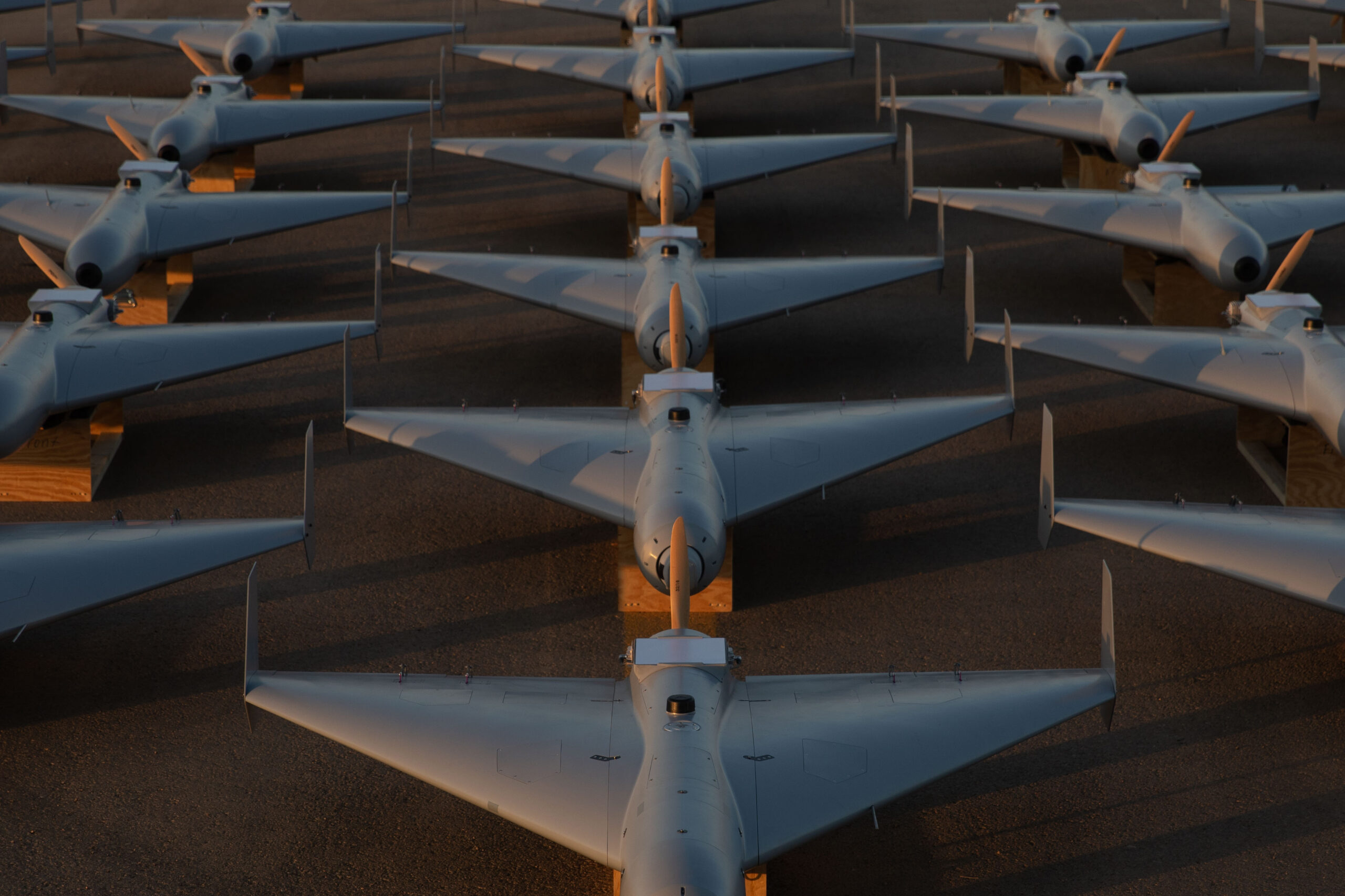
(U.S. Central Command)
The SpektreWorks LUCAS drone is a reverse-engineered version of Iran’s Shahed-136 drone which is a staple of Iranian munitions and has been exported in large quantities for Russian use. The LUCAS drone is slightly lighter than the Shahed-136 at 181 pounds and has a range of about 500 miles. The V-shaped LUCAS drone has a wingspan of 8.2 feet and a length of 9.8 feet. Payload capacity is 40 pounds and it can fly at altitudes of up to 15,000 feet. The price tag is $35,000 per unit which is significantly less expensive than the types of missile typically used by U.S military forces.
Part of the LUCAS appeal is its versatility as the drone can be launched via catapults, rocket-assisted takeoff and mobile ground systems. A LUCAS drone was launched from the USS Santa Barbara, a littoral combat ship, in December during exercises in the Arabian Gulf. U.S. drone combat missions are coordinated by Task Force Scorpion Strike, a first-of-its-kind attack drone squadron. Just how many LUCAS drones the U.S. military has on hand is unknown.
“CENTCOM’s Task Force Scorpion Strike—for the first time in history—is using one-way attack drones in combat during Operation Epic Fury,” said CENTCOM in a statement. “These low-cost drones, modeled after Iran’s Shahed drones, are now delivering American-made retribution.”
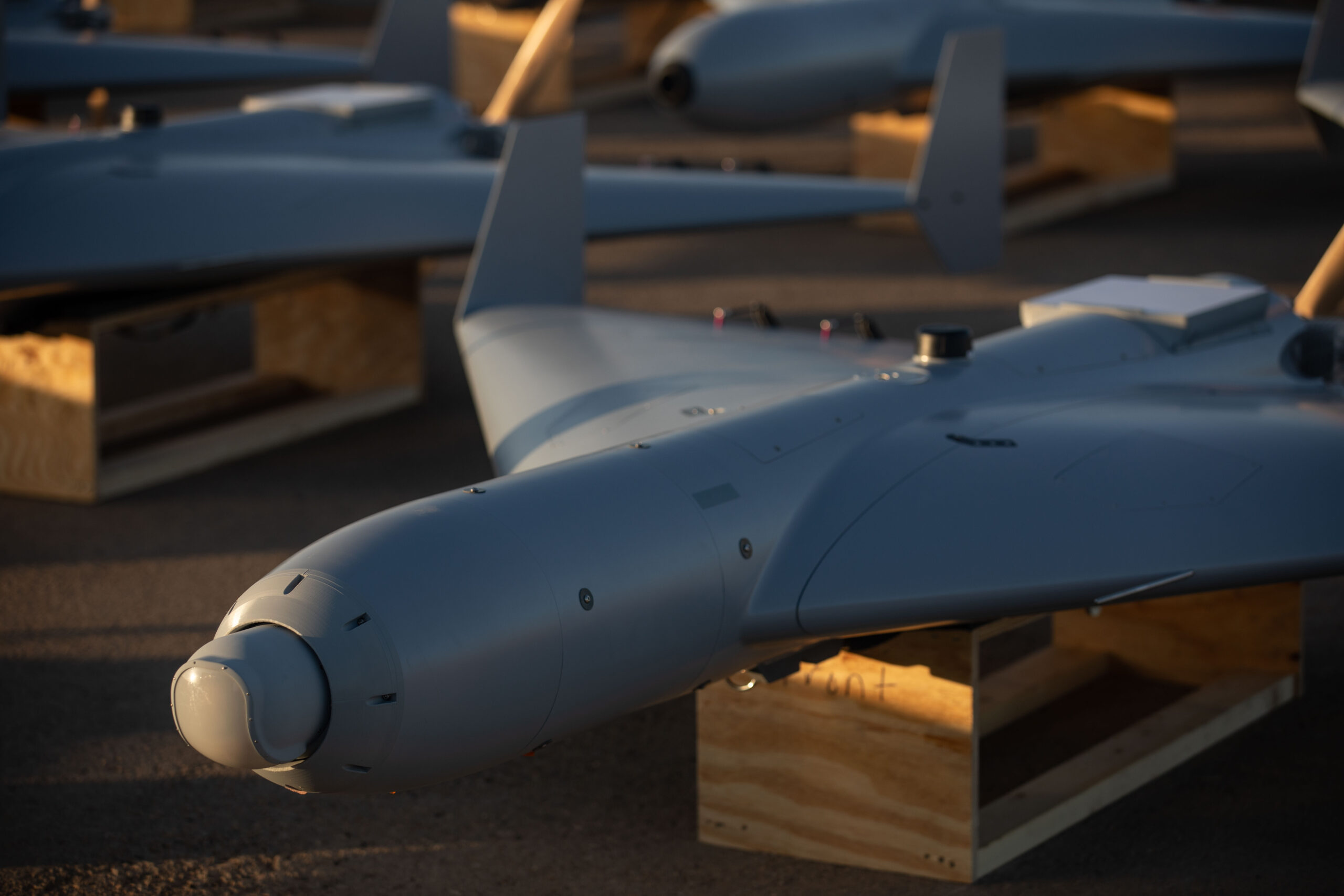
(U.S. Central Command)
Just how many Shahed drones Iran has in its stockpile is a question mark. Iran said it stockpiled 1,000 in January but its overall inventory may depend on how many it exported to Russia and the availability of parts that have to be imported into a country subject to sanctions. Russia is making its own Shahed variant under license at a facility with a targeted production rate of 25,000 per year. Newer Shahed-136 models reportedly fly at speeds of up to 115 miles per hour, making them much more difficult to intercept.
Iran, meanwhile, is making extensive and widespread use of its Shahed-136 arsenal. Early strikes included hits on a Fairmont hotel in Dubai, a high-rise apartment building and a U.S. Navy base in Bahrain, an oil refinery in Saudi Arabia, a U.S. military base in Kuwait, and a British base in Cyprus.
